Facebook Ads for Auto Body Shops: What Actually Brings In Jobs
Published by AutoPilot Media Team · 2026-11-12
1. Give Facebook a different job than Google
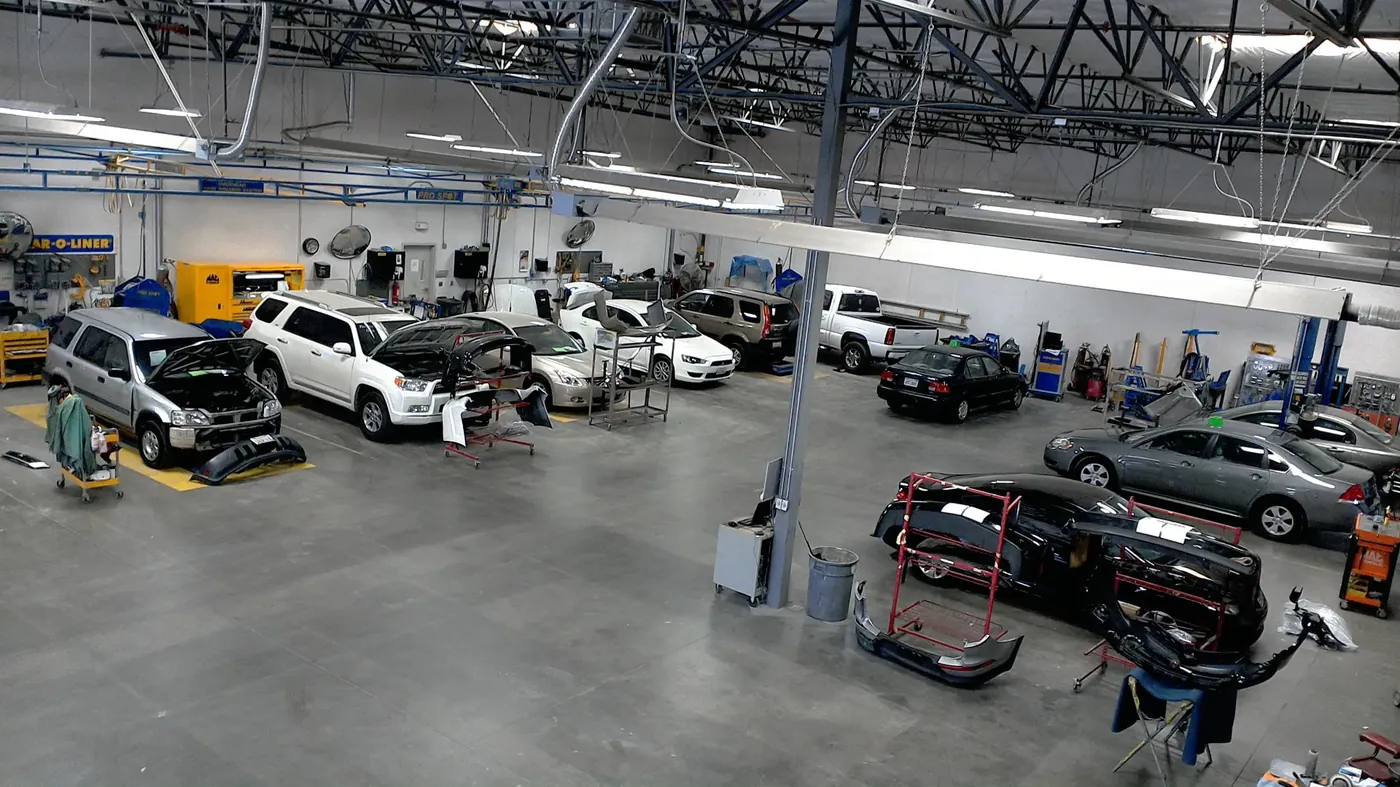
Working solely with collision repair and auto repair shops across the US, we've seen why social advertising needs its own plan. A driver searching for bumper repair is asking for help right now. Someone scrolling Facebook may have a scraped bumper but has not decided to do anything about it. Your message has to meet each person where they are.
Google captures existing demand. Facebook and Instagram can create interest, remind someone about damage they've put off fixing, and bring a previous website visitor back. That makes social useful for visible repair problems and approachable offers. It also explains why a feed full of generic shop logos produces attention without enough useful conversations.
Give each channel a clear assignment. Use search for urgent repair intent and social for specific services, local familiarity and follow-up advertising. Our Google Ads service for repair shops focuses on the search side. Facebook should complement that work, not be judged as though every person watching a video is ready to schedule collision repair today.
2. Advertise an offer your front desk can explain
The best offer starts with work your shop wants and can handle. A free estimate gives a driver a clear next step without promising a repair price before inspection. Explain whether the estimate requires an appointment and whether photos can start the conversation. The ad, form and receptionist should all describe the same process.
Paint and dent specials can work when the scope is clear. Show the kind of damage you mean, name the service and explain that repair suitability depends on inspection. A small cosmetic dent and damaged structural components are different jobs. Good advertising helps the customer understand which conversation they are starting.
Deductible help deserves the same clarity. Describe the actual assistance available, such as explaining estimate paperwork, discussing payment options your shop offers or reviewing the customer's questions. If you advertise a specific deductible-related offer, explain its terms and confirm that it fits the repair and coverage involved. Clear expectations make the estimate conversation easier for everyone.
- Free estimates: explain the appointment process and what the customer should bring.
- Paint or dent offers: identify the repair type and how eligibility is confirmed.
- Deductible questions: describe real assistance and any applicable offer terms.
- Every offer: name the service area and give one clear next step.
3. Choose lead forms or calls around your actual workflow
Facebook lead forms let people respond without leaving the app. That removes friction, but submitting a form is not the same as committing to an estimate. Ask for enough information to make the first conversation useful: contact details, vehicle, repair need and location. Tell the customer that your shop will contact them to discuss the next step.
Calls give your team a chance to qualify the repair and book an estimate in the same conversation. They work best when someone is available to answer. Match call-focused campaigns to staffed hours and make the number easy to use. An ad that generates a call during an unattended lunch break still needs a reliable response process.
Choose the route your team can handle consistently. If the estimator cannot answer while inspecting vehicles, a form connected to immediate acknowledgment and assigned follow-up may fit better. If a service advisor is ready to speak, calls can shorten the path. Compare the resulting booked estimates rather than choosing whichever option produces the cheapest initial inquiry.
4. Make shop-floor video that answers a customer question
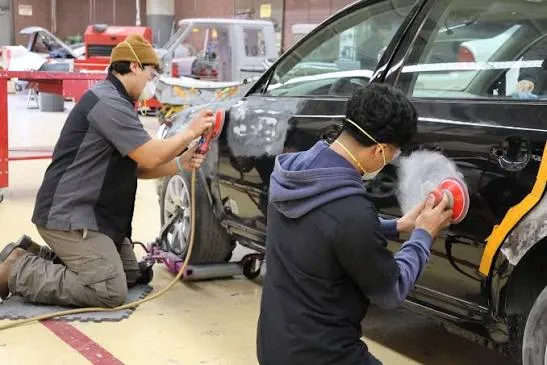
Real shop footage gives people something a stock photo cannot: a look at the place handling their vehicle. Show a technician explaining a dent, a panel being prepared or an estimator describing what happens at an appointment. Keep each video focused on one customer question. The goal is understanding and confidence, not a polished television commercial.
Start with the issue the driver recognizes. Show the scraped bumper before discussing the shop. Explain why an inspection helps determine the repair approach, then invite the viewer to request an estimate. Add readable captions so the message works with the sound off, and make sure the shop name and next step are easy to see on a phone.
Get permission before featuring customers or their vehicles, and frame footage so personal information stays private. Use honest before-and-after images from the same repair. Build a small library around the work you want more of, then let booked-estimate results show which messages deserve more attention.
- An estimator explains what to expect when requesting an estimate.
- A technician shows the difference between a cosmetic mark and deeper damage.
- A repair sequence shows preparation, repair and the finished result.
- A shop owner explains location, hours and how to start the conversation.
5. Bring interested website visitors back with retargeting
A driver can visit your website, get interrupted and forget which shop they were considering. Retargeting lets you show a follow-up message to an eligible audience of previous visitors. That message should continue the conversation: real reviews, the estimate process, location or a repair service they were researching.
Set up the audience with appropriate consent and privacy controls, and have whoever manages the campaign confirm that tracking is working. Audience size and delivery depend on the traffic available. A shop with limited website traffic should not expect retargeting alone to fill the schedule. It is a supporting layer, not a substitute for reaching new local drivers.
Keep the message useful rather than repetitive. Someone who already requested an estimate needs a response from your shop, not another invitation to submit the same form. Coordinate campaign audiences with your lead records where your tools allow it. Our guide to body shop lead sources explains how this fits alongside search, referrals and other channels.
6. Make speed-to-lead part of the campaign
A lead sitting in an inbox is unfinished work. Connect each form to an immediate acknowledgment that identifies your shop and explains what happens next. Then assign a person to contact the customer. Automatic texts help start the conversation; a useful reply from your team moves it toward an appointment.
Give the person handling leads a simple opening: confirm the requested repair, ask where the vehicle is and offer the next available estimate option. If the customer does not answer, follow up through the contact methods they provided and agreed to use. Keep the message specific to their request rather than sending a generic sales pitch.
Calls need the same coverage. Use missed-call text-back to acknowledge someone when the team is helping another customer, then return the call. Explain when the shop is closed and when someone will respond. Our missed-call text-back guide covers the handoff between automatic acknowledgment and a real conversation.
7. Qualify the repair without making the customer do your job
A qualified lead is someone in your service area with a repair need you can serve and a genuine way to continue the conversation. Establish that definition before launching ads. Otherwise, the agency may count every form while your estimator counts only people who show up, leaving everyone looking at a different result.
Ask practical questions in plain English. What happened to the vehicle? Where is the damage? Is it drivable? Is the customer looking for insurance-related repairs or paying directly? Photos can help prepare the estimator, but explain that they start the discussion rather than replace an inspection.
Record why an inquiry does not move forward. A customer outside your area points to targeting. Repeated requests for a service you do not offer point to the ad message. An interested driver who cannot find a suitable appointment points to scheduling. That information lets you improve the system instead of labeling all social leads as good or bad.
- Confirm location and whether the vehicle can reach your shop.
- Identify the repair type and whether it fits your services.
- Clarify the customer's timing and preferred contact method.
- Offer a specific appointment or a clear next step.
8. Measure cost per booked estimate, then look at completed work
Facebook can report reach, clicks and submitted forms. Your shop needs the next part: qualified conversations, booked estimates, attended estimates and completed repairs. Connect each inquiry to its campaign and keep the source attached as the customer moves through your process. A basic shared lead record is more useful than a dashboard nobody updates.
Calculate advertising cost per booked estimate by dividing campaign spend by estimates booked from that campaign during the reporting period. Review attended estimates separately, because an appointment that never happens does not give the estimator a chance to win the job. When repairs are completed, connect the actual repair value and acquisition cost to the same source.
Use the numbers to find the next improvement. Many forms but few conversations call for better qualification or follow-up. Conversations without appointments call for a closer look at offer fit and scheduling. Booked estimates that become profitable repairs give you a reason to keep testing. Our auto repair advertising ideas guide puts social into a broader advertising plan.
AutoPilot connects Facebook and Instagram ads with websites, automatic follow-up, lead tracking and booking. We're US based, an official Google Partner, and offer no long-term contracts with a 30-day money-back guarantee. The point is not more activity in an ad account. It's a clear path from a local driver's repair problem to work your shop wants.
Frequently asked questions
Do Facebook ads work for auto body shops?
They can bring in jobs when the offer matches a real repair need and the shop follows up promptly. Use them for service-specific offers, local awareness and retargeting, then judge results by qualified conversations, booked estimates and completed repairs.
Are Facebook ads better than Google Ads for collision repair?
They do different work. Google Search captures people actively looking for repairs, while Facebook and Instagram introduce an offer or bring an interested visitor back. Choose the mix around your capacity, services and actual booked-job results.
Should my shop use Facebook lead forms or call ads?
Use calls when your team can answer and book an estimate. Use forms when you have reliable acknowledgment and assigned follow-up. Compare cost per booked and attended estimate, not just the initial cost per inquiry.
What should an auto body shop put in an Instagram ad?
Show real repair work, explain one customer problem and offer a clear next step. Shop-floor video, honest before-and-after photos and an estimator explaining the process give drivers useful reasons to contact you.
How do I know whether social ads are producing good leads?
Define a qualified inquiry, record the repair need and location, and track the inquiry through booking and completion. Review reasons that leads do not progress so you can improve targeting, offers, response handling or scheduling.
Related guides
- Where Do Body Shops Get Leads? Every Option Compared (2026)
- Auto Repair Shop Advertising Ideas That Actually Bring In Cars
- Missed Calls Are Costing Your Shop Jobs: What Missed-Call Text-Back Does
Related service: Google & Facebook Ads