Where Do Body Shops Get Leads? Every Option Compared (2026)
Published by AutoPilot Media Team · 2026-10-05
Why the source of your leads matters
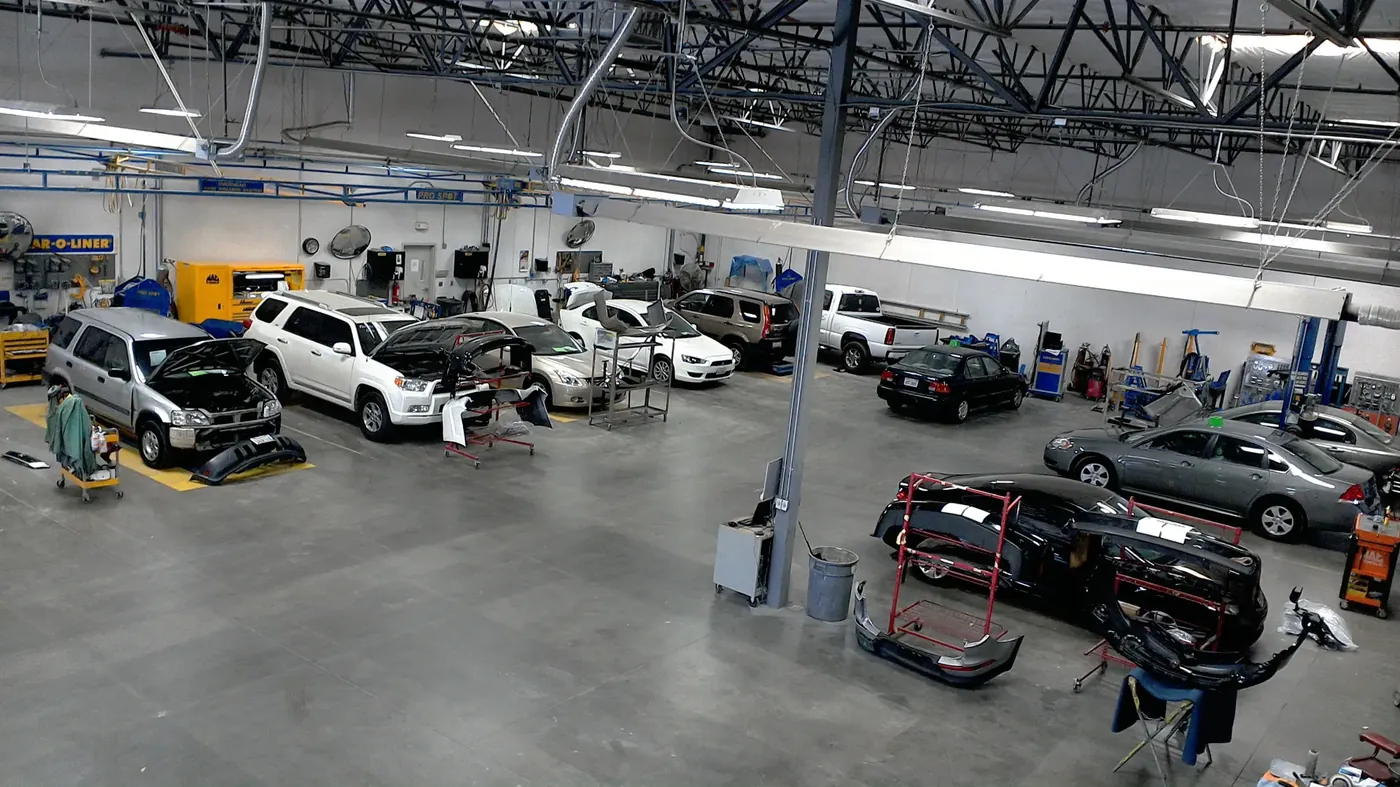
Working solely with collision repair shops across the US, we’ve seen the average repair ticket land between $3,500 and $5,500. That means a single real phone call from someone who needs body work is worth $2,000–$3,000 or more in revenue. When one job is worth that much, the question isn't "should I pay for leads?" — it's "which sources give me the most real jobs for the least money, and which ones do I actually own?"
Below is every major lead source body shops use, with honest pros and cons.
1. Insurance DRP referrals
Direct Repair Programs send policyholders to approved shops. They can supply steady volume, but the insurer controls labor rates, parts decisions and cycle-time expectations. Many shops find DRP work keeps the bays full but squeezes margin, and the customer relationship belongs to the insurer, not you.
- Best for: shops that want predictable volume and can run very efficiently.
- Watch out for: rate pressure and dependence on one or two carriers.
2. Google Business Profile (the map pack)
When someone searches "body shop near me," the three map results at the top get most of the attention. Your Google Business Profile is free, and ranking there depends on your categories, photos, distance, and especially the number and freshness of your reviews. Across the collision shops we work with, this is the highest-return lead source available. See our Google Business Profile guide for collision shops.
- Best for: every shop. It's free and it compounds.
- Watch out for: it takes steady effort — reviews, photos, posts — not a one-time setup.
3. Google Ads (paid search)
Google Ads put you at the top for searches like "collision repair near me" or "bumper repair." You pay per click, and you control your area and budget. Done well, with call tracking and a fast mobile page, it's one of the most reliable ways to buy calls. Done poorly, it burns money on clicks that never call.
- Best for: shops that want to scale up volume on demand.
- Watch out for: paying for clicks, not calls. Track every call.
4. Pay-per-lead and pay-per-call services
Pay-per-lead companies run ads themselves and sell you the calls or form fills. You only pay for leads delivered, which feels low-risk. Qualified calls for body shops cost $20–$40 each — the range we see across the collision shops we serve nationwide — with more competitive metros running higher.
The trade-off: you're renting. The moment you stop paying, the calls stop, and you've built no lasting asset — no rankings, no reviews, no website traffic. Some services also sell the same lead to more than one shop. We break this down in Pay-Per-Lead vs. Owning Your Own Lead System.
- Best for: filling a short-term gap fast.
- Watch out for: shared leads, no long-term asset, and quality disputes.
5. Yelp and other review sites
A well-reviewed Yelp page can bring in calls, especially in big cities. But reach is limited, filtered reviews are common, and a few bad reviews can quickly push callers to competitors. Treat Yelp as a supporting channel, not your foundation.
6. Facebook and Instagram ads
Nobody scrolls Facebook looking for a body shop, so social ads work best for awareness, special offers (like paintless dent repair or headlight restoration), and retargeting people who already visited your site. They're cheaper per view but lower intent than search.
7. Referrals and repeat customers
Tow drivers, dealerships, mechanic shops and past customers are often a shop's best-quality leads. The key is staying in touch: following up after the repair, asking for a review, and making it easy to refer a friend. Automated texts make this consistent instead of hit-or-miss.
The part most shops miss: answering every lead
Whatever source you use, leads are wasted if calls go to voicemail. People looking for collision repair simply call the next shop on the list. A missed-call text-back that instantly replies "Sorry we missed you — want an estimate?" saves many of those jobs. Read more in Missed Calls Are Costing Your Shop Jobs.
So which should you use?
Build what you own first: a strong Google Business Profile, a fast website that turns visitors into estimate requests, and a steady flow of reviews. Then layer paid ads or bought calls where the math works. Measure everything by cost per real repair, not cost per click.
Frequently asked questions
How much do body shop leads cost?
Working solely with collision repair shops across the US, we consistently see qualified calls run $20–$40 each, with competitive markets costing more. Pay-per-click costs vary by city and how well the campaign is managed.
What is the best lead source for an auto body shop?
For most shops, Google Business Profile combined with a strong review flow gives the best long-term return because it's free and compounds. Paid search and bought calls add volume on top.
Are pay-per-lead services worth it for body shops?
They can be for quick volume, since a single job is worth $2,000–$3,000 or more. The downside is you build no lasting asset and leads may be shared with other shops.