Auto Repair Shop Marketing Ideas That Bring In More Cars (2026)
Published by AutoPilot Media Team · 2026-11-12
Start with the cars you actually want in your shop
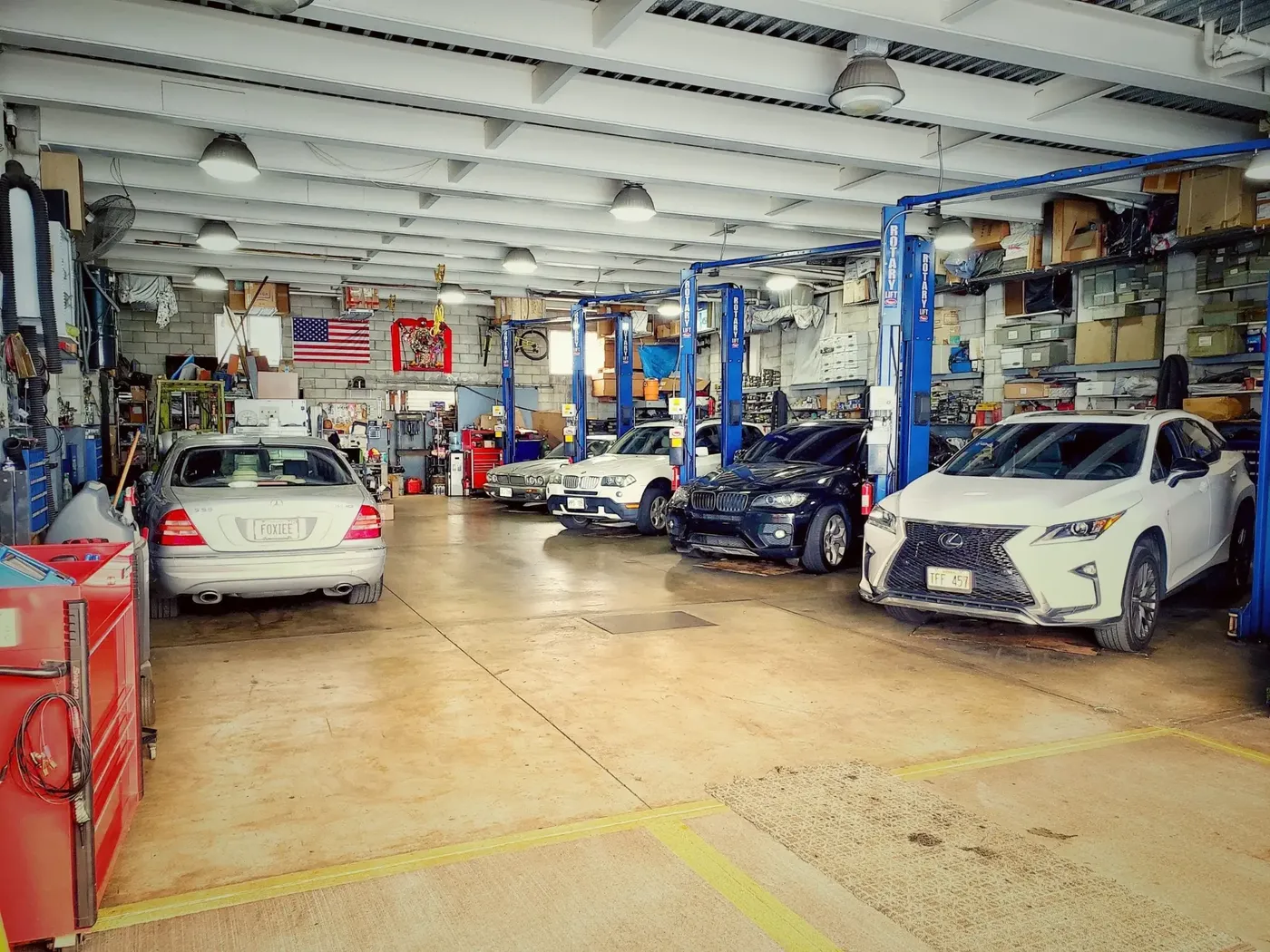
Working solely with collision repair and auto repair shops across the US, we've seen why a disconnected list of promotions falls short: attention is not the same as a booked repair. A shop can post photos, sponsor an event and buy ads while the phone still sends potential customers to voicemail. Good marketing connects getting found with getting the vehicle through the door.
Start by naming the work you want more of. A mechanic looking for diagnostic appointments needs a different message from a collision shop looking for bumper repairs. Write down your services, the neighborhoods customers can realistically travel from, and the openings your team can handle. Those decisions shape every idea below.
Then give each inquiry somewhere useful to go. Your website should explain the repair, show real shop photos and make calling or requesting an appointment easy. Our auto repair marketing service connects those pieces rather than treating every channel as a separate project.
The following ideas are grouped by what they accomplish. Build your foundation first, tighten follow-up next, and use paid advertising to add demand where your shop has capacity. You do not need to launch everything at once to make progress.
Google and online ideas: make your shop easy to find
Idea 1: Complete your Google Business Profile around the work you actually perform. Choose an accurate main category, add relevant services, confirm your hours and make your appointment link useful. Include exterior photos so someone arriving for the first time recognizes the entrance. A complete profile helps customers decide whether your shop fits their needs.
Idea 2: Build a useful page for each important repair service. Brake repair, engine diagnostics, collision repair and paintless dent repair deserve different explanations when your shop offers them. Answer the questions customers ask before calling: what symptoms matter, how the inspection works and what they should bring. Match the page to the service instead of sending every visitor to a generic homepage.
Idea 3: Make your mobile website a clear path to an appointment. Put a working phone button near the top, explain your location and keep the contact form short. A customer standing beside a damaged vehicle should not have to search through your navigation to find the next step.
Keep the wording local and specific. A real description of your service area, directions and shop experience does more for the customer than a paragraph written only around keywords. Use the language your front desk hears on the phone.
- Profile task: check categories, services, hours, phone number and appointment link.
- Website task: give each priority service a clear explanation and call to action.
- Mobile task: test calling, directions and form submission on your own phone.
Reviews and reputation ideas: show customers what to expect
Idea 4: Build a review request into your vehicle pickup process. Ask customers about their experience, then send a direct link they can open on their phone. Make the request sound like your shop, not a corporate survey. A consistent process is easier for your team to maintain than remembering to ask whenever the counter gets quiet.
Idea 5: Reply to reviews with useful, human responses. Thank the customer, acknowledge the work or experience they mentioned and keep private repair details private. When feedback raises a concern, offer a direct conversation with someone who can help. Your response shows future customers how you communicate.
Idea 6: Turn real work into proof. Photograph repairs with the customer's permission, explain what your team did and show the people behind the work. For body shop marketing ideas, a repair story can explain the process from damage assessment through refinishing. For a mechanic shop, show how inspection and diagnosis guide the repair.
Put this proof where customers make decisions: service pages, your Business Profile and appointment pages. Our guide to getting more Google reviews for your auto shop explains how to make the request part of your everyday workflow.
Follow-up and retention ideas: make every inquiry count
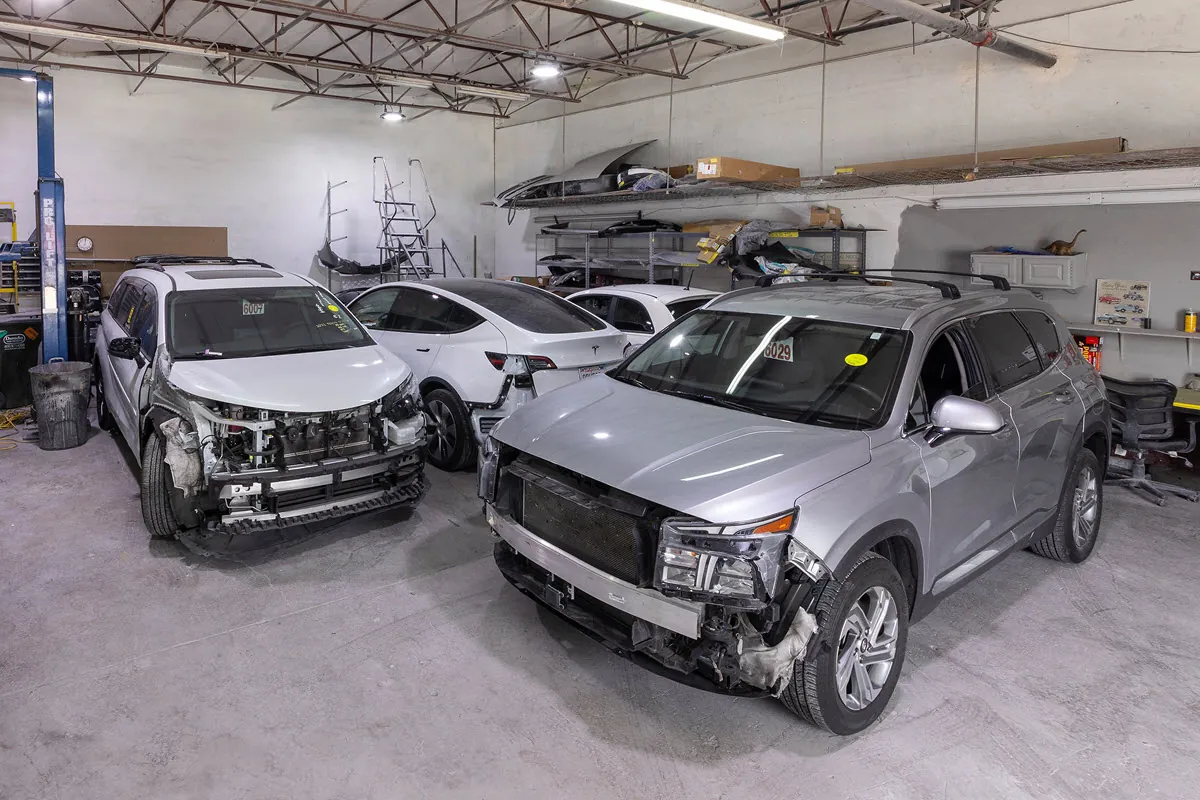
Idea 7: Set up missed-call text-back. When your team is helping someone at the counter, a quick text gives the caller a way to explain what they need. Keep the message practical: identify the shop, acknowledge the missed call and ask whether they need an appointment or estimate. Make sure a person owns the conversation after the automatic response.
Idea 8: Follow up on open estimates. Some customers need help arranging transportation, understanding the next step or choosing an appointment. A useful follow-up asks whether they have questions and offers a clear way to book. Your team should be able to see the previous conversation so customers do not have to start again.
Idea 9: Send service reminders that fit the vehicle and the relationship. For mechanical work, use the customer's actual service history and the vehicle's maintenance needs. For collision customers, follow up on satisfaction and make it easy to refer someone who needs repair.
Good follow-up feels like organized service. Our missed-call text-back guide shows how to connect the first reply with a real conversation instead of leaving an automated message as the final step.
Local and community ideas: build relationships that send the right work
Idea 10: Build referral relationships with complementary businesses. A mechanical shop and a collision shop can help customers who need different kinds of repairs. Tow operators, tire shops and local vehicle businesses can also become useful connections when the fit is right. Introduce your team, explain the work you accept and provide a direct contact.
Make the referral experience easy for the customer. Agree on who should call whom, what information helps and how the customer can schedule. The relationship becomes valuable when the receiving shop communicates clearly and treats the customer well.
Idea 11: Turn community involvement into useful visibility. Participate in an event your team genuinely supports, contribute practical vehicle-care advice or help a local organization understand your services. Ask the organizer to include an accurate shop description and website link when it fits the activity.
Choose involvement you can sustain without taking attention away from customers already in the shop. A recognizable local presence supports trust, and it should lead back to a clear profile and website where people can read reviews and confirm you handle their repair.
- Tell referral partners which repairs fit your shop and how to reach your team.
- Give referred customers a clear appointment path rather than an open-ended instruction.
- Record referral sources so you can see which relationships produce suitable work.
Paid marketing ideas: reach customers with a reason to book
Idea 12: Run Google Search ads for the services you want to sell. Start with repair-specific searches inside a service area your customers can realistically travel from. Match a brake repair ad to a brake repair page and a collision ad to a collision page. That connection makes the next step easier for someone who needs help now.
Idea 13: Use Facebook and Instagram to show your work and explain a relevant service. Before-and-after photos, a clear repair story and a recognizable team can introduce your shop to local drivers. Our guide to Facebook ads for auto body shops covers offers and creative that work.
Idea 14: Reconnect with interested website visitors. Someone who viewed a collision estimate page may need time to arrange the repair. A reminder that explains how to schedule is more useful than repeatedly showing a generic logo.
Keep search and social expectations separate. Search captures an expressed need; social introduces or reinforces your shop. Judge both by qualified conversations and booked work, not by comparing clicks alone. Our auto repair shop advertising ideas covers how those channels fit together.
The final idea: track the path from first call to completed repair
Idea 15: Give every lead a source and an outcome. Record whether it came from your Google profile, a paid campaign, your website or a local referral. Then mark whether the inquiry was a fit, whether an appointment was booked and whether the repair was completed. Keep the process simple enough for your front desk to use.
Define a qualified inquiry before reviewing results. It should involve a service you provide, a customer in a workable area and a genuine opportunity to schedule. An existing customer checking repair status needs excellent service, but that call should be reported separately from a new repair opportunity.
Working with collision shops nationwide, we see qualified calls at $20–$40, with competitive metros costing more. Each of those calls is worth $2,000–$3,000+ in revenue for a collision shop. Your own job mix, close rate and repair economics determine what makes sense for your shop.
Review lead quality alongside front-desk conversations. If suitable callers are asking the same unanswered question, improve the page. If estimates stall because customers need scheduling help, improve follow-up. Tracking should tell you what to change, not simply produce a report full of activity.
Choose a manageable starting plan
Begin where a customer would encounter friction today. Search for your shop, open the website on a phone, place a test call and submit the contact form. Confirm who receives each inquiry and how your team responds. Fixing that path gives the rest of your marketing somewhere reliable to send people.
Next, choose an idea from each area that supports your current goal. A shop with available diagnostic appointments can improve its diagnostic page, request reviews after completed work and run a focused Search campaign. A collision shop can strengthen its estimate process and repair photos before adding more paid traffic.
Assign an owner to each task. Your service advisor can handle review requests, someone on the team can collect approved photos, and your marketing partner can manage campaigns and reporting. Clear responsibility turns a list of possibilities into a practical plan.
AutoPilot connects custom websites, Google Business Profile optimization, review funnels, missed-call text-back, automatic follow-up, advertising and lead tracking. We are US based, an official Google Partner and offer no long-term contracts with a 30-day money-back guarantee. The goal is straightforward: help the right customers find your shop and make booking the repair easier.
Frequently asked questions
What are the best auto repair shop marketing ideas to start with?
Start with an accurate Google Business Profile, useful service pages, a mobile-friendly contact process and consistent review requests. Then make sure calls and forms receive a real response before paying for more traffic.
Do the same marketing ideas work for mechanic shops and body shops?
The foundation is shared, but the message and follow-up should match the repair. Mechanical shops can use vehicle-specific service reminders, while collision shops should explain estimates, repair steps and scheduling after damage.
How can a small shop market itself without running ads?
Improve your Google profile, publish useful service information, ask customers for reviews and build referral relationships with complementary local businesses. Track the resulting calls so you know where to focus your time.
Should an auto repair shop post on social media?
Yes, when the posts show real work, explain relevant services or introduce your team. Give interested customers an easy route to your service pages and appointment process rather than judging the effort only by reactions.
How do I know whether my shop marketing is working?
Connect each source to qualified inquiries, appointments and completed repairs. Compare acquisition cost with your own repair margins, and use call feedback to improve your pages and follow-up.
Can AutoPilot manage these marketing ideas together?
Yes. AutoPilot provides websites, Google Ads, Facebook and Instagram ads, Google Business Profile optimization, review funnels, follow-up, lead tracking and booking as connected parts of a shop's marketing system.
Related guides
- Auto Repair Shop Advertising Ideas That Actually Bring In Cars
- How to Get More Google Reviews for Your Auto Shop
- Missed Calls Are Costing Your Shop Jobs: What Missed-Call Text-Back Does
Related service: Auto Repair Marketing