How Much Should an Auto Repair Shop Spend on Marketing?
Published by AutoPilot Media Team · 2026-11-12
1. Start with capacity, not a percentage of revenue
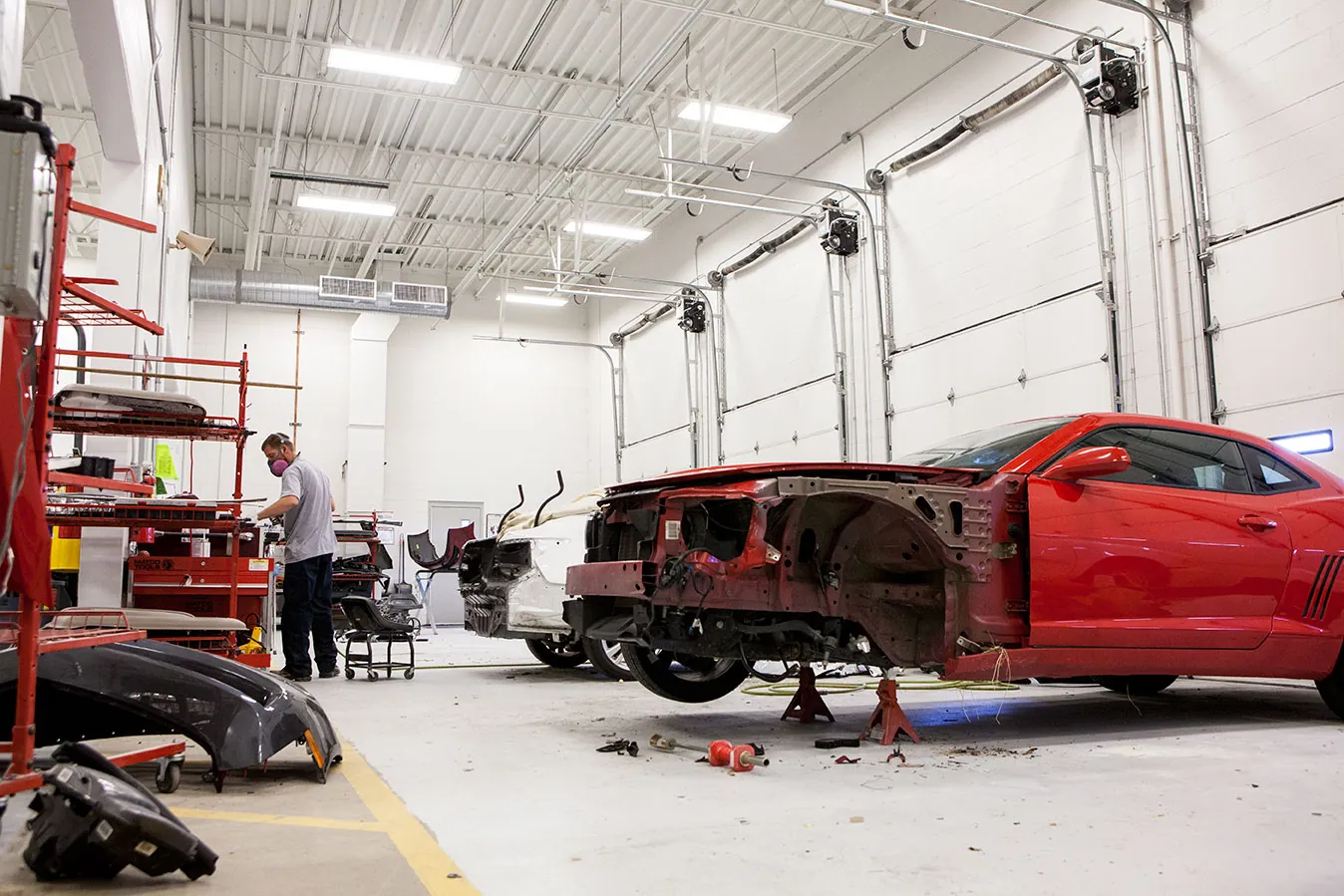
Working solely with collision repair and auto repair shops across the US, we've seen that the right budget starts on the shop floor. Before choosing an advertising amount, decide what additional work your team can complete. Open estimate slots do not automatically mean open production capacity. Staffing, parts, equipment and the repair mix all affect how many more cars make sense.
Write down the work you want more of and the work you can schedule now. A collision shop seeking repairable, drivable vehicles has a different advertising assignment from a mechanical shop looking for maintenance appointments. Your budget should serve that assignment instead of chasing every available inquiry in your city.
Then look at cash flow. Marketing creates opportunities before the repair is completed and paid. Choose a starting amount your business can sustain while you evaluate qualified calls, estimates and finished work. Our auto repair marketing services connect that spending to lead handling and booking, so the budget supports the whole path rather than advertising alone.
2. Understand what the qualified-call numbers actually mean
Across the US, AutoPilot sees qualified collision repair calls at $20–$40, with competitive metros costing more. A qualified call represents $2,000–$3,000+ in revenue opportunity, and average collision repair tickets are $3,500–$5,500. Those figures explain why acquiring a real repair conversation makes business sense. They are not a promise that every call becomes a completed repair.
Keep three ideas separate: the cost of generating an inquiry, the value of an opportunity and the money collected on a finished job. Revenue is not profit. Labor, parts, materials, sublet work and other costs still have to be covered. Your own completed-job economics determine what you can afford to spend acquiring the next car.
These are collision repair reference points, not a universal price sheet for every mechanical service. A maintenance visit and a collision repair have different values and scheduling needs. If you run an auto repair shop, use your actual service mix and collected repair orders in the calculation. The useful principle is the same: compare acquisition cost with the work it produces.
- Qualified-call cost tells you what it costs to start a relevant conversation.
- Booked-job cost includes the effect of calls that do not become jobs.
- Completed repair value shows the revenue attached to finished work.
- Gross profit helps determine what acquisition spending the shop can support.
3. Work backward from the extra cars you want
Start with the number of additional completed jobs your shop can handle in the planning period. Next, use your records to see how many qualified calls it takes to produce a completed job. Include the steps between those points: appointments, attended estimates, approved work and completion. Your own records make this calculation more useful than an industry closing-rate assumption.
Multiply the extra jobs you want by the qualified calls needed per completed job. That gives you a starting call target. Multiply that target by your expected qualified-call cost to estimate the acquisition budget. For collision repair, the $20–$40 range guides an initial plan, with more room needed in competitive metros. Replace the planning assumption with your measured costs as results come in.
If you do not have reliable conversion records, make tracking part of the first campaign. Set a manageable spending limit and assign someone to record each outcome. Start with enough operational capacity to answer and schedule the inquiries you generate. The first objective is learning your real path from qualified call to car, not committing to an aggressive forecast.
Keep the formula visible: extra completed jobs wanted × qualified calls needed per completed job × cost per qualified call. Add foundation and management costs separately. This gives you a budget you can explain to a partner, estimator or marketing company without relying on a guessed percentage of sales.
4. Separate the foundation from variable advertising spend
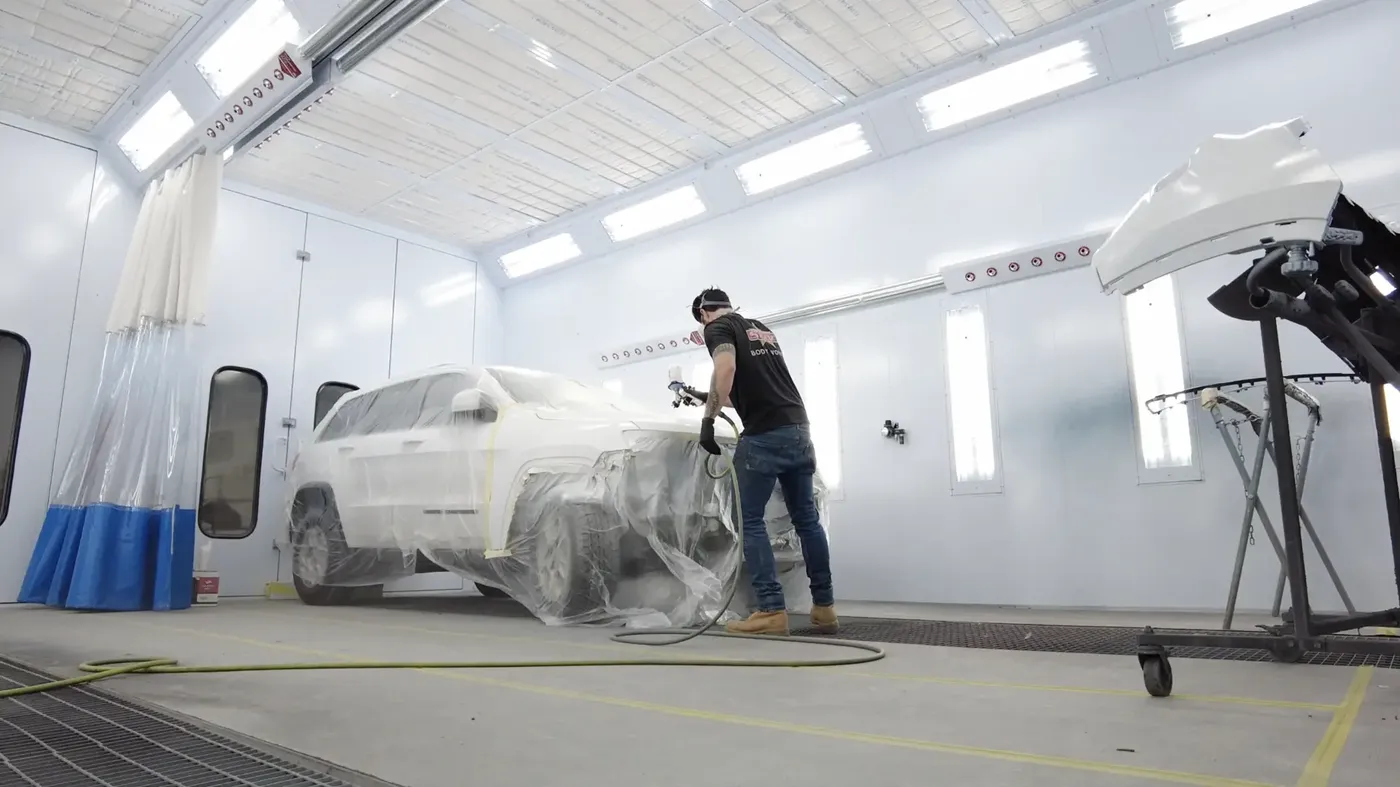
Your website, Google Business Profile, review process and lead-handling tools are the foundation. They help customers find, trust and contact the shop whether those customers arrive through ads, referrals or local search. Budget for building and maintaining them as distinct work. That makes it easier to see what you own and what needs ongoing attention.
Google Business Profile itself is free. Keeping business details accurate, adding useful photos and managing customer responses still takes time or paid support. The same distinction applies to reviews: you are investing in a consistent request and response process. Our Google Business Profile guide explains the local visibility work.
Ad spend is variable. You can adjust it around capacity, service demand and results. Campaign management, website work, tracking and follow-up may have separate costs, depending on the agreement. Ask for those categories in plain English. A proposal should make clear what goes to the advertising platform and what pays for the work supporting it.
- Foundation: website, service pages, local profile accuracy and review process.
- Lead handling: call tracking, missed-call response, text follow-up and booking.
- Variable spend: advertising dollars allocated to campaigns.
- Support: campaign management, reporting and ongoing improvements.
5. Put the first advertising dollars where intent matches
The right starting channel depends on the work you need. Google Search connects you with drivers actively looking for a repair service. Facebook and Instagram can introduce a specific offer or reconnect with someone who visited the website. Local search and reviews help people compare the shop after hearing your name from another source.
Choose a clear service and a realistic service area before splitting spending across channels. A focused campaign gives you a cleaner view of which inquiries fit and whether your team can turn them into appointments. Broad campaigns that mix unrelated services can make an inexpensive lead count look useful while hiding a poor fit for the shop.
Make sure the landing page and phone response match the ad. Someone looking for collision repair should immediately see relevant work and a way to request an estimate. A maintenance offer should lead to the right booking conversation. Our guide to Google Ads for auto repair shops explains how search intent, targeting and landing pages work together.
6. Measure marketing cost per car with the full expense visible
There are useful reasons to track both advertising-only cost and total marketing cost. Advertising cost per completed car tells you how efficiently paid campaigns generate finished work. Total marketing cost per completed car includes the supporting expenses you choose to count, such as management, tracking and ongoing website work. Label each measure so the numbers stay comparable.
Use consistent reporting periods and account for repair timing. A call generated this month may become a completed repair later. Keep the original lead source attached to the job, then review the group of leads after they have had time to move through your process. Dividing this month's spend by unrelated completed work can give a misleading picture.
Track source quality alongside cost. A higher-cost inquiry can be worthwhile when it fits your services, books and produces work with healthy margins. A cheaper inquiry is not a bargain if it is outside your area or asks for work you do not offer. Our guide to owning your lead system explains how source control and long-term assets affect that decision.
7. Review the same numbers every month
A monthly review should connect the money spent to the work completed. Start with spend by source, then walk through qualified calls, estimate bookings, attended estimates, approved repairs and completed jobs. Include actual repair value when available. Ask the person handling the phone what customers requested and where conversations got stuck.
Use that review to distinguish advertising problems from handling problems. Irrelevant calls suggest a targeting or message adjustment. Good calls without bookings suggest a scheduling or conversation issue. Missed calls and unanswered forms show an opportunity to improve response before paying for more traffic. This is about giving your team support, not assigning blame.
Make the next action specific. Update a service area, improve an estimate page, assign follow-up coverage or shift spending toward work that fits. Keep a record of what changed so the next review can connect the decision to the result. A budget becomes easier to manage when every change answers an observed problem.
- Money spent by channel, with ad spend and support costs separated.
- Qualified inquiries, bookings, attended estimates and completed repairs.
- Missed calls, response handling and reasons leads did not progress.
- Actual job value, production capacity and the next improvement.
8. Scale when the shop and the numbers are ready
Increase spending when the campaign is producing work you want, the acquisition cost fits your economics and the shop can handle more. Confirm that phone coverage, estimate availability and production capacity can support the increase. A campaign that works at one level still needs monitoring as you expand its reach or budget.
If capacity tightens, direct the campaign toward services or appointment windows that remain available. Keep your website, local profile and reviews current while adjusting paid demand. The goal is a steady flow of profitable work, not the largest possible advertising bill or an overflowing estimate calendar.
Ask any marketing partner to explain the budget through completed jobs and transparent costs. AutoPilot is US based, an official Google Partner, and offers no long-term contracts with a 30-day money-back guarantee. Our work includes websites, ads, profile optimization, review funnels, follow-up, tracking and booking. Each part has a clear job in bringing the right cars through your doors.
Frequently asked questions
What percentage of revenue should an auto repair shop spend on marketing?
Use capacity and acquisition economics instead of a blanket percentage. Work backward from the extra jobs you can handle, the qualified calls needed to win them and your measured cost per qualified call, then include foundation and support costs.
How much does a qualified collision repair call cost?
AutoPilot sees $20–$40 per qualified call across the US, with competitive metros costing more. Use that as a planning reference and compare it with your own campaign results, job conversion and completed repair economics.
Does a $3,500–$5,500 collision ticket mean I can spend that much acquiring a customer?
No. The ticket is revenue, not profit. Parts, labor, materials and other costs still need to be covered. Set an acquisition allowance using your margins, cash flow and the number of inquiries required to produce completed work.
Should website and Google Business Profile work come from the ad budget?
Plan them alongside advertising but show them separately. The profile itself is free; website work, profile management, review processes and tracking can require time or paid support. Separate categories make the full investment clear.
When should a shop increase its marketing budget?
Increase it when qualified inquiries become completed work at a cost the shop can support and you have capacity for more. Confirm that call handling, estimating and production can handle the additional demand before expanding campaigns.
Related guides
- Pay-Per-Lead vs. Owning Your Own Lead System for Body Shops
- How to Choose an Auto Repair Marketing Company: 10 Questions to Ask
- Body Shop Marketing Plan: 6 Steps to More Collision Jobs
Related service: Auto Repair Marketing