Auto Repair SEO: How Shops Rank on Google in 2026
Published by AutoPilot Media Team · 2026-11-12
Map results and organic results are different opportunities
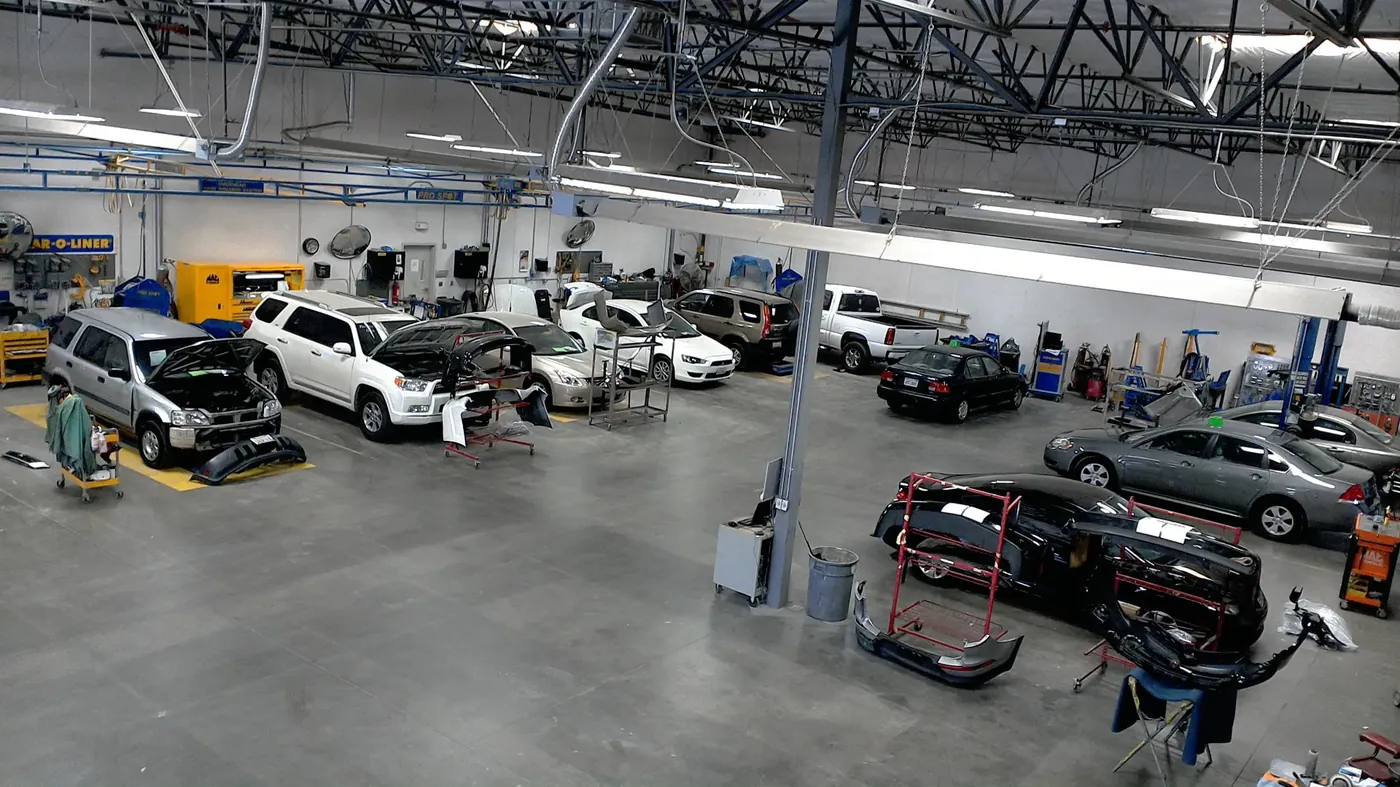
Working solely with collision repair and auto repair shops across the US, we've seen owners use "Google ranking" to mean several different things. A shop can appear in the map results, have a service page in the unpaid website listings and also run a paid ad. Those placements work differently and need separate tracking.
The map pack is the local group of businesses shown with a map. Google considers relevance, distance and prominence when choosing local results. Your Business Profile helps explain what your shop does, where it operates and what customers say about it. A searcher's location also matters, so your visibility changes across the same city.
Organic results are the unpaid website listings. A useful service page can answer a specific repair question and help a customer decide to call. Your website and Business Profile support the same business, but improving a page is a different task from correcting your profile categories or hours.
Strong auto repair SEO connects both opportunities. The goal is to become easier for nearby customers to find when they need the repairs your team wants to perform.
Build a Google Business Profile that accurately represents your shop
Start with your real business name, address, main phone number and customer-facing hours. Select the main category that best describes the business, then add relevant supporting categories and services. A mechanical repair shop and a collision center should describe their actual work rather than copying each other's settings.
Use the services area to make your offerings clear. Add current photos of the building, entrance, customer area and repair work. A driver should be able to recognize the shop when arriving and understand what happens after contacting you. Add an appointment link that reaches a useful booking or contact page.
Keep the profile current when your operations change. Update holiday hours, replace outdated photos and check that the website link still works after a redesign. These details help customers reach the right place at the right time.
Keep ownership and access organized so the profile remains a business asset. If a marketing partner helps manage it, your shop should still know who has access and how inquiries are handled. Our Google Business Profile guide for collision shops goes deeper into building a profile customers can act on.
- Use an accurate primary category and relevant services.
- Check customer-facing hours, phone number, website and appointment links.
- Show real shop photos that help customers recognize and understand the business.
- Make profile access and inquiry handling clear to your team.
Create service pages around real repair needs
A single page that lists every repair gives customers little help deciding whether to call. Give your priority services their own useful pages. A brake repair page should explain symptoms, inspection and scheduling. A collision repair page should explain damage assessment, repair planning and the next step toward an estimate.
Write each page from your front desk's experience. What does the caller need to know? What can your team explain before seeing the vehicle, and what requires an inspection? Plain answers make stronger content than a long paragraph repeating SEO phrases. Use accurate service names in the page title, main heading and natural body copy.
For body shop SEO, separate genuinely different services such as bumper repair, paintless dent repair and refinishing when your shop provides them. Explain what makes each service different and use relevant photos. A customer should learn something useful even before reaching the call button.
Connect related pages with clear internal links. A collision page can point to a paint page when refinishing is part of the discussion. Every service page should also make your location and contact options easy to find. Our auto repair website design service brings service content and appointment paths together instead of treating SEO and usability as separate jobs.
Use city pages to help customers, not repeat the same page
City pages make sense when your shop genuinely serves customers from those places and can provide useful local information. Explain where the shop is located, how customers reach it and why the trip is practical. Be clear about your actual address.
Make the content specific to the customer journey. Useful details include major routes, landmarks near your shop, towing arrangements your team can discuss and how an estimate appointment works. Add original information your staff can confirm. Changing a city name inside otherwise identical text does not help someone choose a repair shop.
If you operate multiple real locations, give each location its own accurate contact details, hours, services and photos. Customers need to know which shop handles their repair and where their appointment will take place. Keep those details consistent across the location page and its corresponding Business Profile.
Build the pages that support actual demand and service reach before expanding the list. A nearby town with existing customers deserves a useful page; a distant place outside your practical service area does not need to become an SEO target. For collision repair SEO, travel convenience and estimate logistics belong in that decision.
Make reviews part of your customer service process

Reviews help prospective customers understand how a shop communicates, handles repairs and follows through. They also contribute to local prominence. Build a consistent request into the end of the repair process so your profile reflects current customer experiences.
Use a direct review link and a short message. Thank the customer for choosing the shop and invite them to describe their experience in their own words. Your team can introduce the request at pickup so the later message feels connected to a real conversation.
Reply thoughtfully. Acknowledge what the customer shared, keep personal and repair details private, and offer a direct conversation when someone needs help. Review responses are visible examples of how your shop treats people.
Display relevant reviews on your website alongside useful service information. A customer reading about collision repair should see proof that supports that service. Our guide to getting more Google reviews for your auto shop explains how to organize requests without making them another task the owner has to remember.
Make your website fast, mobile-friendly and easy to understand
A page that looks good on a desktop can still be difficult to use beside a disabled vehicle. Test your site on a phone using a normal mobile connection. Check whether the service explanation appears quickly, the text is readable and the phone button works without zooming.
Resize and compress shop photos, reserve space for images so the page stays steady while loading and remove unnecessary scripts. Keep navigation clear and forms short. Technical improvements should serve the customer first: fast access to services, location, proof and a way to contact the shop.
Help search engines understand the same structure. Use descriptive page titles, clear headings, crawlable links and a sitemap. Make sure important pages can be indexed and that old addresses redirect to useful replacements after a site change. Local business structured data clarifies business details alongside accurate visible content.
Give each page a clear next step. Offer a phone call, appointment request or photo inquiry where that fits your process. Our auto repair website must-haves focuses on the practical features that turn a visit into a conversation.
- Check mobile loading, readable text and working contact buttons.
- Keep titles, headings, internal links and indexing settings clear.
- Test forms from submission through the notification your team receives.
- Show location and contact details consistently across important pages.
Strengthen citations and earn relevant local links
Citations are mentions of your business information on directories and other websites. Start with established places customers actually use, then check that your name, address and phone details are accurate. Correct old addresses and outdated contact information so people reach the right place.
Use a stable business contact number in your core listings. If you add call tracking, set it up so reporting works while your business details stay consistent across the web. Your marketing provider should be able to explain which number appears where and how customer calls reach your shop.
Backlinks are links from other websites to yours. Relevant local links come from a chamber membership, a community organization your shop supports, a legitimate business partnership or a local publication covering your work. Start with relationships that exist outside an SEO report.
Give those organizations something worth linking to: a useful vehicle-care resource, an accurate business profile or a real community project. Relevance and genuine context matter more than collecting a long list of unrelated placements.
Measure SEO by qualified calls and booked work
Search Console shows which searches bring visibility and visits to your website. Business Profile reporting helps you understand profile interactions. Website analytics show what visitors do next. Use these tools together, then connect the activity to your call and appointment records.
Track calls, form submissions and booking requests separately from page views. Give each inquiry an outcome: suitable new repair, existing-customer question, booked appointment or completed job. Call tracking identifies sources, and the front desk provides the context that software alone cannot judge.
Review visibility across your practical service area instead of relying on one search from your own phone. Look for useful service pages gaining relevant inquiries and identify pages that attract visits without conversations. That reveals a mismatch between the search, the page and the next step.
SEO builds through consistent improvements. Osman Shamuratov of Collision Doctor Auto Body in Dayton has stayed on page one of Google with consistent weekly leads over 23+ months with AutoPilot. We combine Google Business Profile optimization, custom websites, review funnels, lead tracking and follow-up so the work supports actual shop growth. We are US based, an official Google Partner, and offer no long-term contracts with a 30-day money-back guarantee.
Frequently asked questions
What is the difference between auto repair SEO and Google Ads?
SEO improves your visibility in unpaid search and map results. Google Ads buys advertising placements. Both generate repair inquiries, but they require separate management and source tracking.
How long does SEO for auto repair shops take?
Your starting website, local competition, profile accuracy and the work needed all affect progress. Track relevant visibility and qualified inquiries month over month rather than focusing on a single ranking date.
Can my shop rank in cities where it has no location?
A useful website page can reach customers in nearby areas you genuinely serve. Map visibility still depends partly on distance, so a city page does not create the same local presence as an actual shop location.
Does every repair service need a separate page?
Give priority services separate pages when they have distinct customer questions and enough useful information to explain. Combine closely related work when separate pages would only repeat the same content.
Do reviews help an auto shop's Google ranking?
Reviews contribute to local prominence and help customers evaluate the business. Combine a consistent review process with accurate profile information, useful service pages and a clear contact experience.
What should an auto repair SEO report include?
It should connect relevant search visibility and website activity with qualified calls, appointment requests and booked work. Rankings alone do not show whether the marketing is bringing suitable repairs to your shop.
Related guides
- Google Business Profile for Collision Shops: How to Rank in the Map Pack
- How to Get More Google Reviews for Your Auto Shop
- What an Auto Repair Website Needs to Turn Visitors Into Booked Jobs
Related service: Auto Repair SEO